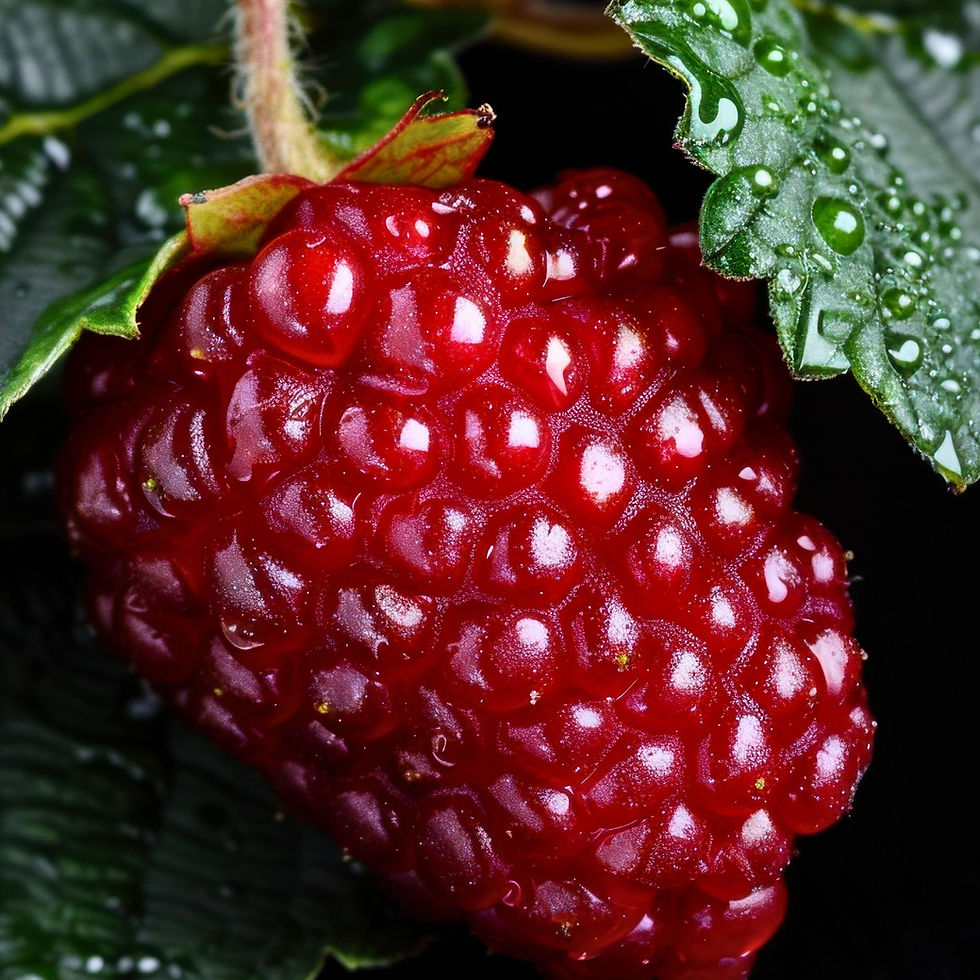
Introducing the Black Mulberry, a magnificent, long-lived specimen that yields arguably the most intensely flavored berries of the genus. Unlike other common varieties, the fruits of the black mulberry are famously large, deep purple-to-black, and exceptionally juicy, offering a perfect balance of sweetness and rich tartness that is superb for fresh eating, baking, and making gourmet preserves. This self-fertile and highly ornamental tree is remarkably hardy and resilient, maturing into a broad, stately shade tree that will provide a bounty of staining, delectable fruit for generations to come. Plant a Black Mulberry tree to secure a legacy of dark, unparalleled flavor in your own landscape.
Seed count; 50 seeds
**Growing Black Mulberry is a rewarding experience but takes patience. Please read the growing instructions prior to purchasing.
Black Mulberry seeds
Morus nigra
- 15-30 feet on all sides
- 5-10 feet if pruned annually
1/8" (barely cover with soil)
Dark green leaves, yellow in the autumn Berries will range from black to dark purple to dark red.
Full sun / part shade
Yes
8-15 years to start bearing a significant crop of berries
Black mulberries, with their deep color and rich, sweet-tart flavor akin to blackberries, are incredibly versatile and best utilized swiftly due to their fragile nature and short shelf life. For immediate enjoyment, simply eat them fresh, either by the handful or atop breakfast items like oatmeal, yogurt, or cereal. Their intense flavor makes them perfect for cooking and preserving; they can be readily substituted for blueberries or blackberries in baked goods like muffins, cobblers, and pies. To extend their use, they are excellent when cooked down into vibrant jams, jellies, syrups (like pekmez), and sauces, which can then be used to top desserts or even accompany savory dishes like pan-roasted chicken. Furthermore, they freeze well for later use in smoothies, homemade sorbets, or ice cream, and when dried, they become a chewy, healthy snack, perfect for trail mix or granola.
Perennial
Yes
Yes, if grown as a house plant, and pruned to fit the container.
Persian Mulberry, Common Mulberry, Small-fruited Mulberry, Black Persian, Shahtoot, Shah-toot, Toot, Tukki.
Yes
Seed Pre-Treatment: Soaking & Stratification
Black Mulberry seeds typically require a period of cold, moist stratification to mimic natural winter conditions, which signals the seed that it is time to germinate.
A. Soaking Instructions:
Soaking the seeds helps soften the tough outer shell and initiates the germination process.
-
Soak: Place the cleaned and dried seeds in a container of lukewarm water.
-
Duration: Let the seeds soak for 24 - 48 hours, replacing the water once or twice during this period. Discard any seeds that float, as they may not be viable.
B. Cold Stratification Instructions
This step is crucial for successful germination.
-
Prepare Medium: Take a small, clear zip-top bag or a sterile container. Fill it with a handful of a moist, sterile medium like fine sand, vermiculite, or a peat-free seed starting mix. The medium should be damp, but not dripping wet (think of a wrung-out sponge).
-
Mix Seeds: Mix the soaked seeds into the medium, ensuring they are evenly distributed.
-
Seal and Label: Seal the bag/container and clearly label it with the date and seed type.
-
Refrigerate: Place the sealed container in a refrigerator where the temperature remains consistently between 34–40°F (1–4°C).
-
Duration: The seeds need to stratify for approximately 60 to 90 days (2 to 3 months).
-
Monitor: Check the seeds every week or two for any signs of mold or drying out. If the medium is drying, mist it lightly with a spray bottle of water. If you see mold, change the medium and the container.
Growing Black Mulberry (Morus nigra) from seed is a rewarding process, though it requires patience and a crucial step called cold stratification to break the seeds' natural dormancy.
Here is a step-by-step guide focusing on the necessary pre-treatment.
1. Seed Collection and Cleaning
The first step is to acquire viable Black Mulberry seeds, either by collecting them from ripe fruit or purchasing them.
-
Collect Ripe Fruit: Gather dark, ripe, and soft Black Mulberry fruits in late summer/early autumn.
-
Extract Seeds: Place the fruit in a container of warm water. Gently mash the fruit to release the seeds from the pulp.
-
Clean Seeds: Use a fine mesh strainer to rinse the seeds under running water, removing all traces of fruit pulp. Pulp can encourage mold and inhibit germination.
-
Dry: Spread the clean seeds on a paper towel in a well-ventilated area for a day or two to air-dry.
2. Seed Pre-Treatment: Soaking and Stratification
Black Mulberry seeds typically require a period of cold, moist stratification to mimic natural winter conditions, which signals the seed that it is time to germinate.
A. Soaking Instructions (Scarification)
Soaking the seeds helps soften the tough outer shell (a form of scarification) and initiates the germination process.
-
Soak: Place the cleaned and dried seeds in a container of lukewarm water.
-
Duration: Let the seeds soak for 24 to 48 hours, replacing the water once or twice during this period. Discard any seeds that float, as they may not be viable.
B. Cold Stratification Instructions
This step is crucial for successful germination.
-
Prepare Medium: Take a small, clear zip-top bag or a sterile container. Fill it with a handful of a moist, sterile medium like fine sand, vermiculite, or a peat-free seed starting mix. The medium should be damp, but not dripping wet (think of a wrung-out sponge).
-
Mix Seeds: Mix the soaked seeds into the medium, ensuring they are evenly distributed.
-
Seal and Label: Seal the bag/container and clearly label it with the date and seed type.
-
Refrigerate: Place the sealed container in a refrigerator where the temperature remains consistently between 34–40°F (1–4°C).
-
Duration: The seeds need to stratify for approximately 60 to 90 days (2 to 3 months).
-
Monitor: Check the seeds every week or two for any signs of mold or drying out. If the medium is drying, mist it lightly with a spray bottle of water. If you see mold, change the medium and the container.
Sowing the Seeds
After the cold stratification period, the seeds are ready to be planted.
-
Timing: The ideal time to sow the seeds indoors is in late winter or early spring, immediately following the stratification period.
-
Containers: Use small pots or seed starting trays filled with a well-draining seed starting mix (a mix of compost, sand, and perlite/vermiculite works well).
-
Planting: Sow the seeds shallowly, about 1/4" - 1/2" inch (6-12 mm) deep, or press them gently onto the surface and cover with a very thin layer of soil.
-
Watering: Water thoroughly but gently to settle the soil. Keep the soil consistently moist but never waterlogged.
-
Environment: Place the containers in a warm location with an ideal temperature around 70–85°F (21–29°C). A heat mat can be helpful.
-
Light: Black Mulberry seeds require light for best germination. Place them under a bright grow light for 12-16 hours a day or in a very sunny windowsill. A humidity dome or clear plastic cover can help maintain moisture until they sprout, but remember to ventilate daily.
-
Germination: Germination can be erratic, taking anywhere from 2 weeks to 3 months after stratification. Be patient!
Seedling Care
Once your tiny mulberry trees emerge, they need careful attention.
-
Remove Cover: Once the seedlings sprout, remove the humidity dome (if used).
-
Light: Continue to provide ample light.
-
Watering: Keep the soil consistently moist.
-
Repotting: When seedlings have developed their first set of true leaves (the leaves that look like mulberry leaves, not the initial pair of seed leaves), carefully transplant them into individual, larger pots (3-4" or about 10 cm). Handle them by the leaves, not the delicate stem.
-
Hardening Off: Before transplanting outdoors, typically after the danger of the last frost has passed, you must harden off the seedlings. This involves gradually introducing them to outdoor conditions over 7-10 days.
Transplanting and Long-Term Care
-
Transplant Outdoors: Plant your young saplings into a sunny, sheltered spot in the garden when they are at least 1-2 years old and have a good root system.
-
Soil: They prefer deep, moist, well-drained soil that is slightly acidic (pH 5.5-6.5).
-
Watering: Water regularly during the first few years, especially during dry spells, to help them establish their deep root system.
-
Patience: Be prepared for a long wait; mulberry trees grown from seed typically take 5 to 10 years before they start producing fruit.
-
7,8,9,10