Step-by-Step Guide to Growing Wisteria from Seed
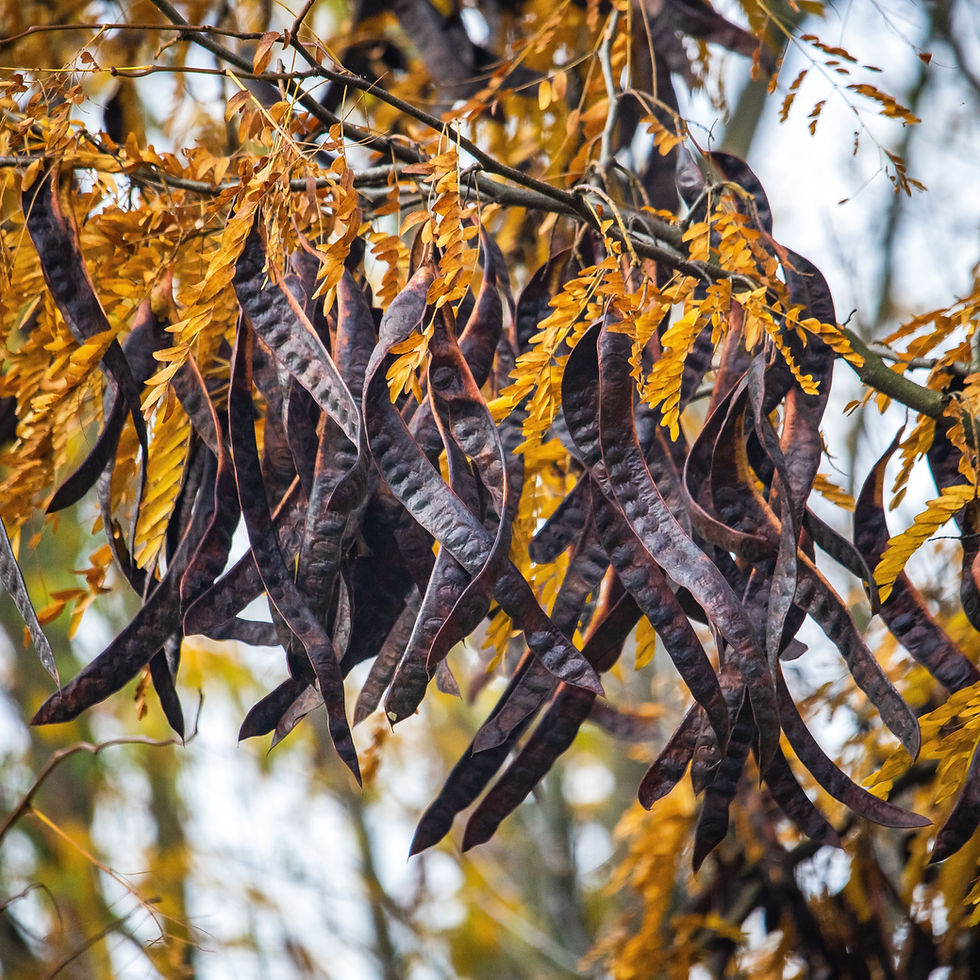
Step 1: Obtain and Prepare the SeedsHarvest Seeds: You can collect seeds from the pods in the fall once they have turned brown and dried out. Place the pods in a warm, dry spot to allow them to fully open, or twist them gently to release the seeds.
Scarification (Highly Recommended Tip): Wisteria seeds have a tough outer coat that inhibits germination. You need to break this barrier to allow water to penetrate.
Gently nick or scrape the seed coat with a sharp knife, a small file, or sandpaper. Be careful not to damage the embryo inside.Soaking (Essential Tip): After scarification, soak the seeds in warm water for 24 hours (some sources recommend up to 3 days).
This hydrates the seed and further aids germination. Discard any seeds that float, as they may not be viable.
Step 2: Planting the SeedsPrepare Containers: Use a seeding tray or individual pots (at least 3-4 inches deep to allow for taproot growth) with good drainage holes. Fill them with a well-draining potting mix (e.g., a mix of compost and perlite/sand).
Sow the Seeds: Plant the prepared seeds about 1/4-1/2" inch deep and lightly cover them with soil.
Water: Moisten the soil thoroughly until water drains from the bottom.Cover (Optional): To maintain humidity, you can cover the pots with a clear plastic dome or plastic wrap.
Step 3: Germination and Initial Growth (Indoors Method)Wisteria seeds can be started indoors anytime, but spring is ideal.Location and Temperature: Place the pots in a warm location that receives bright, indirect sunlight. A south-facing window or use of a seed heating mat can be beneficial, especially in cooler climates.
Watering: Keep the soil consistently moist but not waterlogged to prevent rot.
Germination: Germination can take anywhere from 10 days to a few months. Patience is key.
Care for Seedlings: Once the seedlings sprout, remove the plastic cover (if used). Give them plenty of light (full sun is best) and continue to keep the soil moist.
Tip: Provide a small stake or support for the young vine to begin climbing.
Note on Stratification: Some gardeners recommend cold stratification (placing seeds in a moist medium in the refrigerator for 30-60 days) to mimic a winter period. While scarification and soaking are often enough for Wisteria, cold stratification may be necessary for some specific varieties or seeds that fail to germinate.
Step 4: Transplanting SeedlingsYou will need to transplant your seedlings into larger pots or the garden once they are about 5 inches tall or have outgrown their starter pot.
Potting Up: If growing in a container, select a pot that is at least 18 inches in diameter. Use a rich, well-draining potting mix.
Hardening Off (If moving outdoors): Before planting outdoors, gradually acclimate the indoor seedlings to outdoor conditions (sun, wind, temperature) over a week or two. Start with a few hours a day in a shaded, sheltered spot and slowly increase exposure.
Outdoor Site Selection:Choose a spot with full sun (at least 6 hours per day).Ensure the soil is fertile and well-draining. Amend with compost if needed.The location must have a very sturdy support structure (like a robust pergola or heavy-duty trellis on a strong wall), as Wisteria becomes a large, heavy, and woody vine.
Transplanting and SpacingTiming: The best time to transplant wisteria is in late fall or early spring when the plant is dormant or just starting new growth.Planting: Dig a hole twice as wide as the root ball, but no deeper. Place the seedling in the hole, ensuring the soil level is the same as it was in the pot. Backfill and water well.
Spacing: If you are planting multiple wisteria vines to cover a large structure, space them at least 10 to 15 feet apart (3 to 4.5 meters). Wisteria is an extremely vigorous grower and needs ample room.
Important Tips Patience is Key: Wisteria grown from seed is not guaranteed to have the same flower color as the parent plant (it is not true-to-type) and will take many years (often 10+) to bloom.